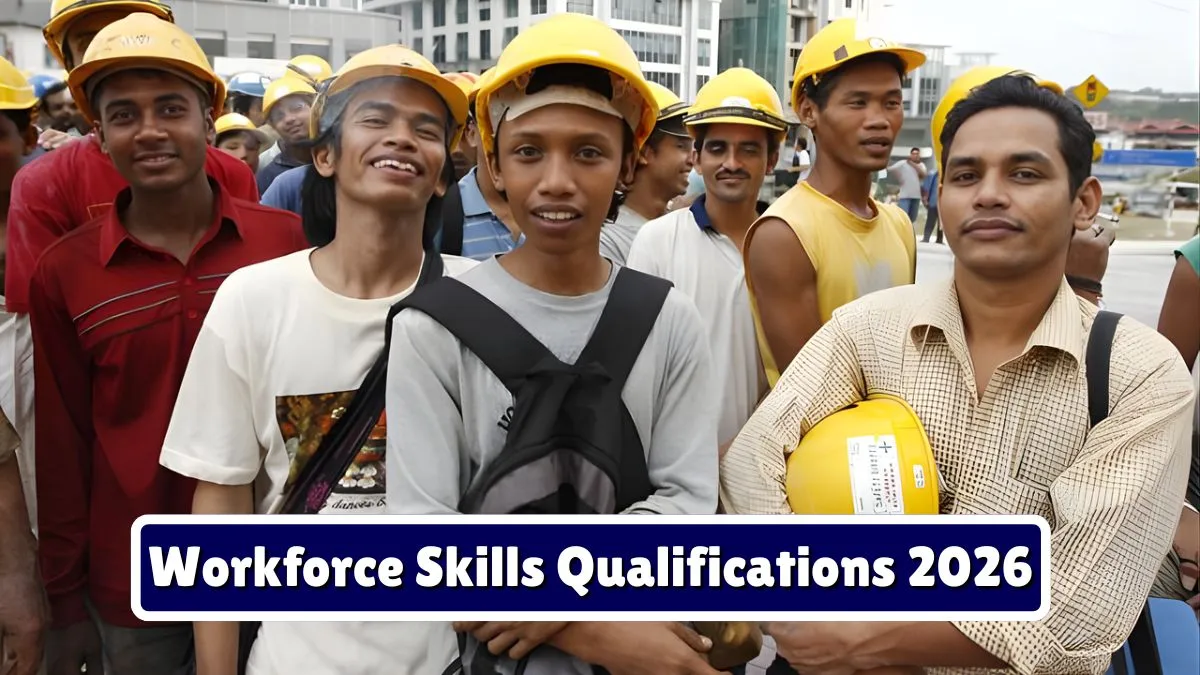
Singapore Workforce Skills Qualifications 2026: In Singapore’s fast-changing job market, the WSQ system has evolved far beyond basic entry-level training by 2026. Today, it has become a direct pathway to higher pay, career switches, and improved productivity for companies, especially for working professionals who don’t have the time or budget for long degree programs. The framework is overseen by SkillsFuture Singapore, and its focus is less on passing exams and more on job-ready, practical skills.
What the WSQ System Actually Is
The Workforce Skills Qualifications (WSQ) framework is Singapore’s national skills certification system. Instead of testing only theory, it emphasizes whether you can perform the job in real situations. Practical assessments matter more than written exams, which is why employers value WSQ graduates who can contribute from day one. This has made WSQ especially popular among mid-career professionals, PMETs changing careers, and SMEs.
What’s New in WSQ in 2026
WSQ courses are now directly aligned with Industry Transformation Maps, meaning training focuses on skills currently in demand in sectors such as finance, healthcare, technology, logistics, and green jobs. Learning has also become more modular—short, stackable modules instead of long courses—allowing learners to build higher certifications over time. This makes it easier to balance work, family, and study. Employer acceptance has grown, with many companies now recognizing WSQ for promotions, job matching, and salary reviews.
How WSQ Levels Work
- WSQ Certificate: Basic job skills for entry-level workers
- WSQ Higher Certificate: Technical or supervisory roles
- WSQ Advanced Certificate: Specialist or team-lead roles
- WSQ Diploma: Management and professional competencies
- WSQ Specialist Diploma: Deep expertise in a specific industry
Progression is based on competency and performance, not just attendance.
Most In-Demand WSQ Sectors in 2026
In finance and fintech, there is strong demand for compliance, risk management, and digital payments skills. Healthcare and senior care continue to grow due to Singapore’s ageing population. In technology and digital roles, courses in data analytics, cybersecurity, and digital marketing are expanding rapidly. Logistics and aviation also rely heavily on WSQ training for supply chain and operations skills.
WSQ Funding and Subsidies in 2026
This is where WSQ offers major advantages. Singapore citizens typically receive 70–90% course subsidies, with additional support for lower-income workers. Many courses can also be paid for using SkillsFuture Credit. Employers benefit from payroll support and training grants, making employee upskilling affordable—especially for SMEs.
Does WSQ Really Help With Jobs and Salary?
When chosen strategically, the answer is clearly yes. In 2026, WSQ certifications directly influence hiring decisions, internal promotions, and job mobility. Employers value WSQ because skills are verified and employees become productive quickly, while workers gain stronger job security and clearer career pathways.
How to Enroll in a WSQ Course
Start by identifying your industry and career goals. Then search for approved WSQ courses on the official portal, check your subsidy eligibility, and enroll with an approved training provider. Most courses are part-time or evening-based, making it possible to study without leaving your job.
Why WSQ Still Matters in 2026
WSQ is not about collecting certificates—it’s about staying relevant and employer-ready in a rapidly changing job market. If you want a stable career built on practical skills, the WSQ system remains one of the smartest choices in Singapore in 2026.